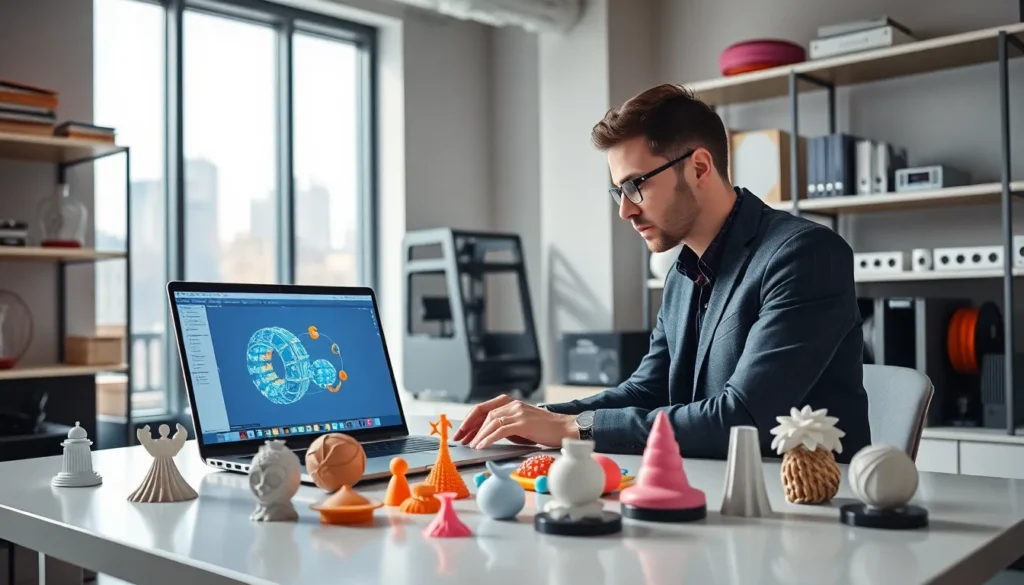

Ever wondered how your favorite 3D designs transform into tangible objects? Meet slicing. Imagine it as the magical wand of 3D printing. It takes complex models and breaks them down into bite-sized layers that printers can understand. But why should you care? If you want to create flawless prints without losing your mind (or your filament), understanding slicing is non-negotiable. Let’s jump into the intriguing realm of slicing in 3D printing and get ready to unravel its mysteries, one layer at a time.
Understanding the Slicing Process
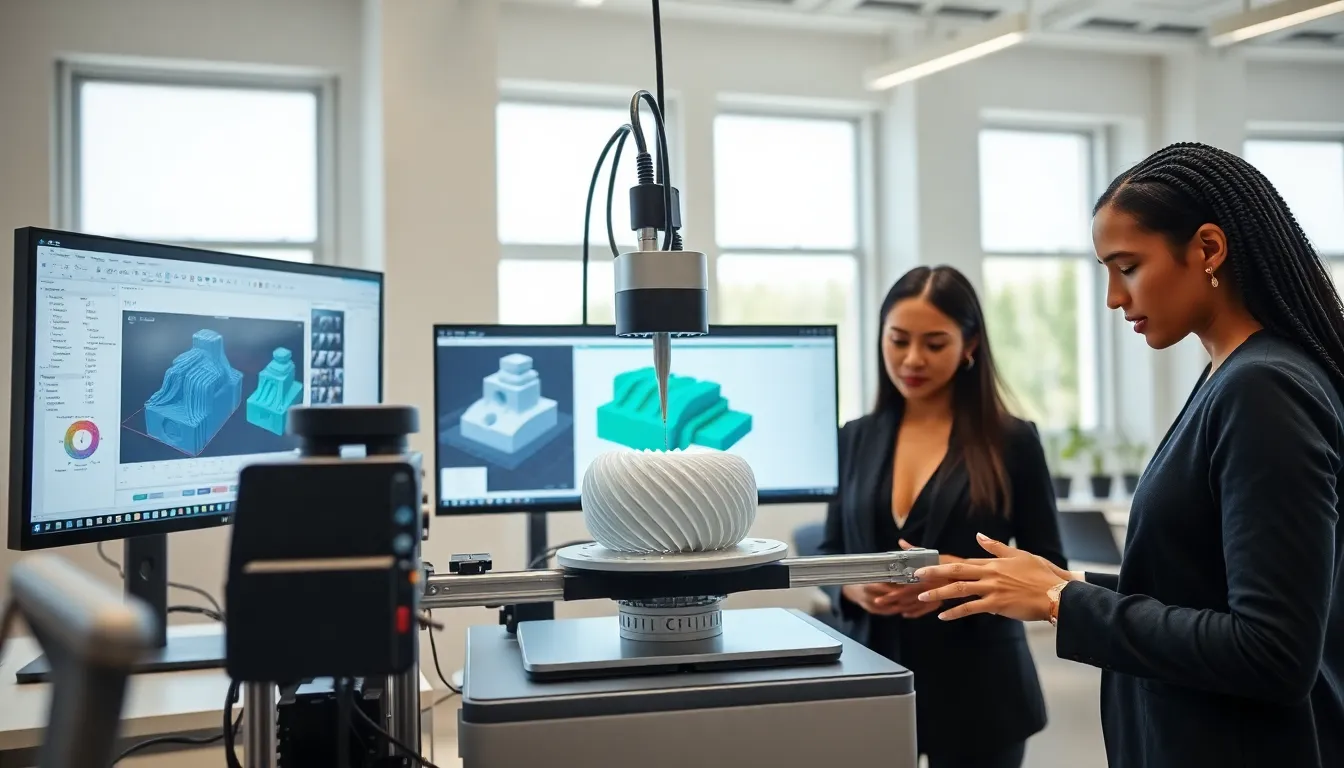
Slicing is the process of converting a 3D model into a series of 2D layers that a 3D printer can lay down. Think of it as a chef preparing a multi-layered cake. Each layer represents a slice, and just like in baking, getting the layers right is essential to achieving a delicious final product.
So, how does it work? After designing a model using CAD software, the next step is sending it to slicing software. This software analyzes the model, generating instructions for the printer, essentially telling it how much plastic to extrude, the speed at which to print, and how the layers should adhere to each other.
This process involves various settings, including layer height, print speed, and infill density. Adjusting these parameters is akin to fine-tuning a recipe where different combinations lead to varying outcomes. A thicker layer height might lead to faster printing but will sacrifice detail, while a finer setting takes longer but produces intricate features.
Importance of Slicing in 3D Printing
Slicing is crucial for several reasons. First, it enables compatibility between the digital model and the physical printer. Without slicing, a printer wouldn’t have any direction on how to orchestrate its movements. Secondly, effective slicing optimizes the printing process, balancing quality and speed. How often have you been disappointed by a print that was either too slow or of subpar quality? Proper slicing can be the difference between a successful print and a frustrating failure.
Also, slicing maximizes material usage. By generating efficient paths for the nozzle, it minimizes wastage, which helps in lowering costs, an important factor if you’re running a business or diving into a hobby. Great slicing can lead to better adhesion between layers, reducing issues like warping or delamination. Eventually, slicing unlocks the potential of 3D printing, allowing creators to bring their visions to life.
Key Components of a Slicer
When talking about slicers, one can’t overlook the key components that make them function. Each slicer has underlying algorithms and settings that cater to specific printing needs. Here are a couple of components that deserve close attention:
Types of Slicing Software
Slicing software can be categorized into two main types: open-source and proprietary. Open-source options are generally free and allow extensive customization, perfect for experienced users who enjoy tinkering. Proprietary software, on the other hand, often comes with customer support and intuitive user interfaces, making them ideal for beginners.
Popular Slicing Software Options
Some well-known slicing software options include Cura, Simplify3D, and PrusaSlicer. Each has unique features catering to different users. For instance, Cura is widely used for its user-friendly interface and broad compatibility with various printers. Simplify3D offers advanced control for experts who want their prints just right, while PrusaSlicer shines with features designed specifically for Prusa printers. Choosing the right slicing software can make your 3D printing journey smoother.
How to Choose the Right Slicing Software
Selecting the right slicing software can feel like choosing a favorite child: it requires careful consideration. Here are some aspects to keep in mind:
- Printer Compatibility: Not all slicers work with every printer. Always check for compatibility to avoid unnecessary headaches.
- Ease of Use: If you’re new to 3D printing, opt for software that provides guided settings. A steep learning curve can discourage experimentation.
- Features: Assess what you need versus what you want. Some software might offer high-end features that could be more complex than you need right now.
- Community Support: A strong user community can be invaluable. Platforms like forums or social media groups can offer help and tips to troubleshoot issues.
Taking the time to choose wisely can lead to better prints and a more enjoyable 3D printing experience.
Tips for Effective Slicing
Effective slicing is an art in itself. Below are some handy tips to enhance your slicing skills:
- Start with the Basics: If you’re new to slicing, stick to default settings at first. This will help you get accustomed to how things work.
- Experiment with Settings: Don’t hesitate to tweak parameters like layer height and infill percentage. Finding the sweet spot often requires some trial and error.
- Review Support Structures: If your model has overhangs, ensure proper support structures are in place. It’s worth taking the extra time to set this up correctly to prevent print failures.
- Slice with Purpose: Avoid excessive settings that make your job harder. Focus on what your model needs rather than adjusting every slider just because it’s there.
- Keep Learning: The world of 3D printing is constantly evolving, so stay updated on the latest slicing techniques and technologies. With each new development, your skills can grow.
Future of Slicing Technology in 3D Printing
The future of slicing technology is bright. As 3D printing evolves, so will slicing software, with new features on the horizon. Expect to see increased use of artificial intelligence to optimize slicing processes in real-time, reducing manual input and speeding up prints. Also, cloud-based slicing solutions could emerge, allowing users to slice from anywhere and send files directly to their printers.
Also, enhanced simulation features will likely provide real-time feedback before ever hitting ‘print.’ This could minimize failed prints and wasted materials, an aspect that every 3D printing enthusiast will appreciate. The incorporation of machine learning could also help the software to adjust settings based on past successes or challenges, leading to a tailored slicing experience.