


Have you ever thought about how incredible it is to create robust parts from a spool of filament? Well, buckle up because we’re diving deep into the world of 3D printing nylon. This versatile material isn’t just for making sweaters: it’s taking the 3D printing scene by storm. With a range of applications and benefits that’ll make you ditch your old favorites, nylon is here to elevate your printing game. So, whether you’re a seasoned pro or just curious about new printing materials, this guide has got you covered. Let’s unravel the mysteries of nylon, shall we?
Understanding Nylon in 3D Printing
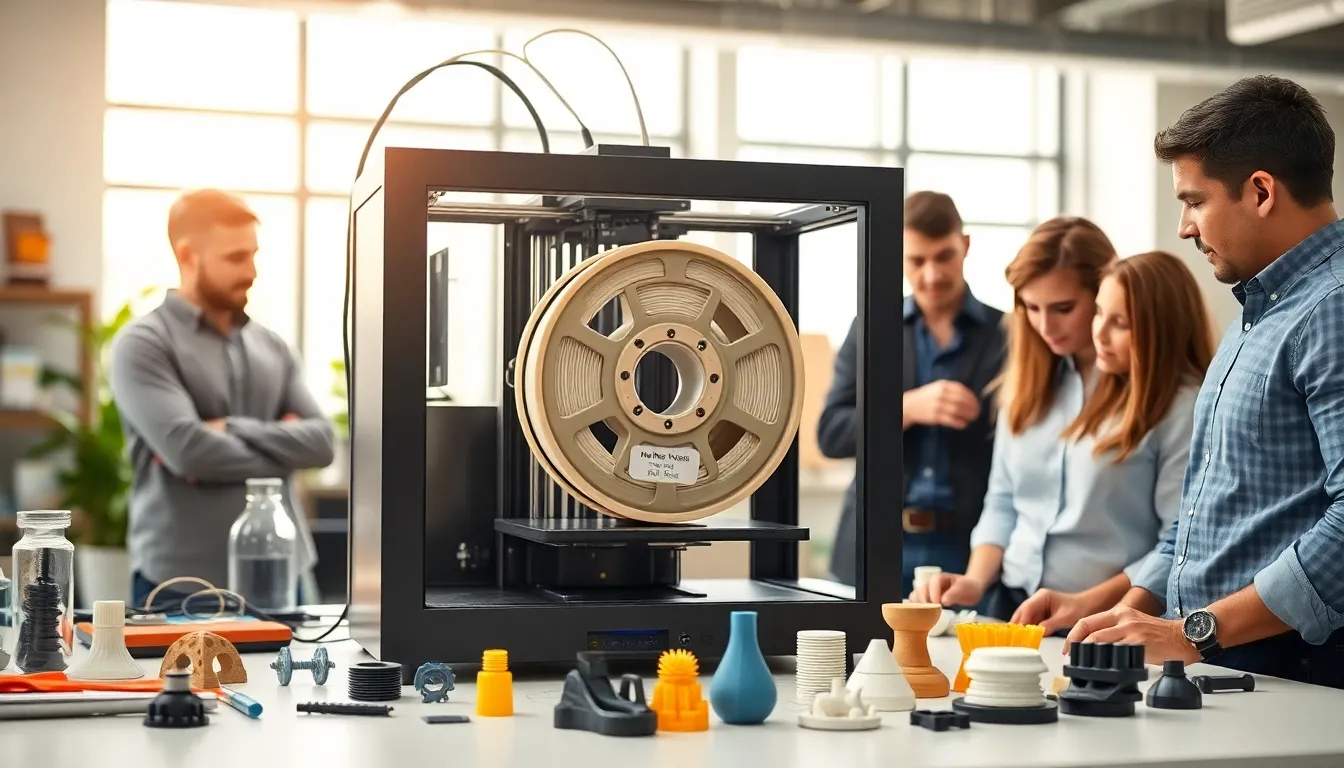
When it comes to 3D printing, nylon is a superstar. Known for its impressive durability and flexibility, nylon has several different types, each catering to specific needs and applications.
Types of Nylon Filaments
- Nylon 6: This is often the go-to choice for newcomers. It strikes a balance between strength and flexibility, making it suitable for general-purpose items.
- Nylon 12: A bit more flexible than Nylon 6, it’s perfect for creating parts that need to handle bending and twisting. If flexibility is the name of the game, this is the filament they should consider.
- Nylon 11: This variant boasts exceptional resistance to chemicals and moisture. It’s a solid choice for industrial applications where exposure to harsh conditions is a possibility.
- Nylon Blends: Innovations have led to blends combining nylon’s strengths with those of other materials, resulting in enhanced performance for specific needs.
Each type comes with its own set of benefits and ideal use cases, so understanding them is key to achieving outstanding results.
Advantages of Using Nylon for 3D Printing
Why should someone prioritize nylon over other materials for 3D printing? The reasons are plentiful:
- Durability: Nylon is tough. Unlike some filaments that snap under pressure, nylon parts can withstand considerable force.
- Flexibility: Many applications require materials that can bend without breaking. This quality makes nylon an excellent choice for functional parts.
- Chemical Resistance: If projects involve exposure to various chemicals, nylon’s resistance can be a game-changer, especially in industrial settings.
- Lightweight: Even though its strength, nylon remains lightweight. This characteristic is essential in applications where weight is a concern, such as automotive or aerospace parts.
- Finish Quality: Prints often have a smoother finish than other materials, leading to less post-processing work.
- Versatile Applications: From automotive to custom tooling, nylon fits into numerous sectors, proving its versatility.
For anyone looking to print items that need to last, the advantages of using nylon are hard to ignore.
Challenges and Considerations
As with any material, printing with nylon isn’t without its challenges. Understanding these can save time and frustration.
Best Practices for 3D Printing with Nylon
- Temperature Control: Nylon requires higher printing temperatures, generally between 240-260°C. Monitoring the temperature ensures the perfect extrusion.
- Bed Adhesion: Use a heated print bed to prevent warping. A surface like BuildTak or a nylon-compatible adhesive can help keep prints in place.
- Moisture Sensitivity: Nylon is hygroscopic, meaning it absorbs moisture from the air. Store it in a cool, dry place, and consider using a food dehydrator before printing to enhance performance.
- Speed Settings: Slower print speeds can result in higher quality prints, as they allow for better layer adhesion.
Being aware of these factors can greatly enhance the quality of nylon prints.
Post-Processing Methods for Nylon Prints
Once the printing process is over, what comes next? Post-processing can elevate your prints and align them with the desired outcome.
Applications of Nylon in 3D Printing
- Sanding: Smoothing out the surface through sanding can provide a polished finish, making the parts aesthetically pleasing and removing imperfections.
- Dyeing: Nylon takes dye exceptionally well. This allows creators to add color after printing, enhancing the aesthetic appeal without compromising quality.
- Annealing: For added strength and resilience, annealing can help strengthen nylon prints, making them even more durable for various applications.
The applications of nylon span far beyond just 3D printing. From sporting goods to custom parts in robotics, its versatility is impressive. The enhancements these post-processing methods provide can redefine the projects crafted using nylon.
Whether you’re building prototypes or custom parts, the possibilities with nylon are vast and exciting.


